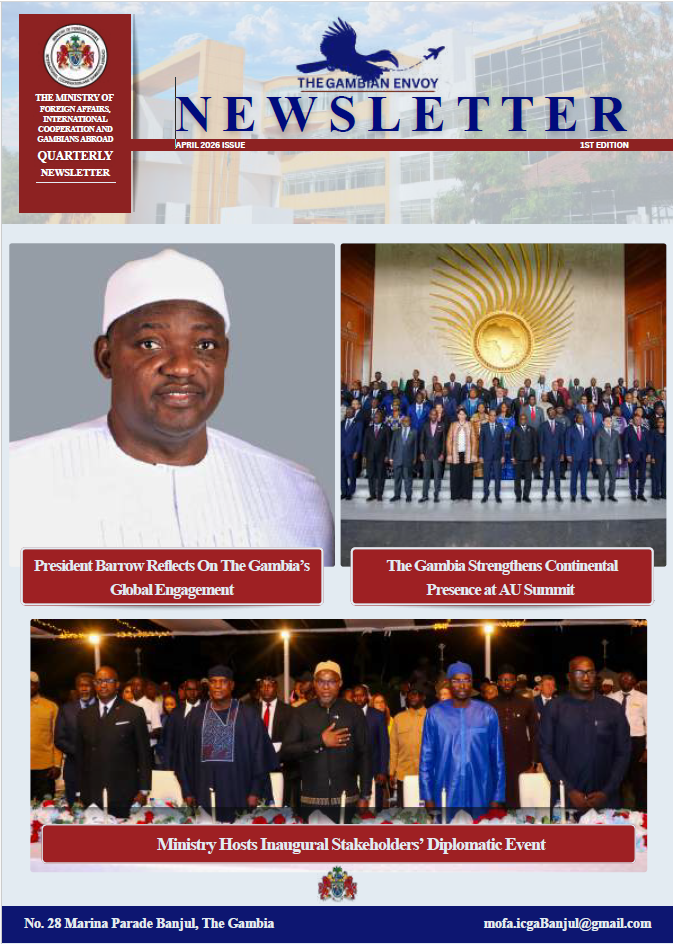
MOFA NEWSLETTER MARCH,2026 (2)
MOFA NEWSLETTER MARCH,2026.
MOFA NEWSLETTER MARCH,2026 (2) Read More »
MOFA NEWSLETTER MARCH,2026.
MOFA NEWSLETTER MARCH,2026 (2) Read More »
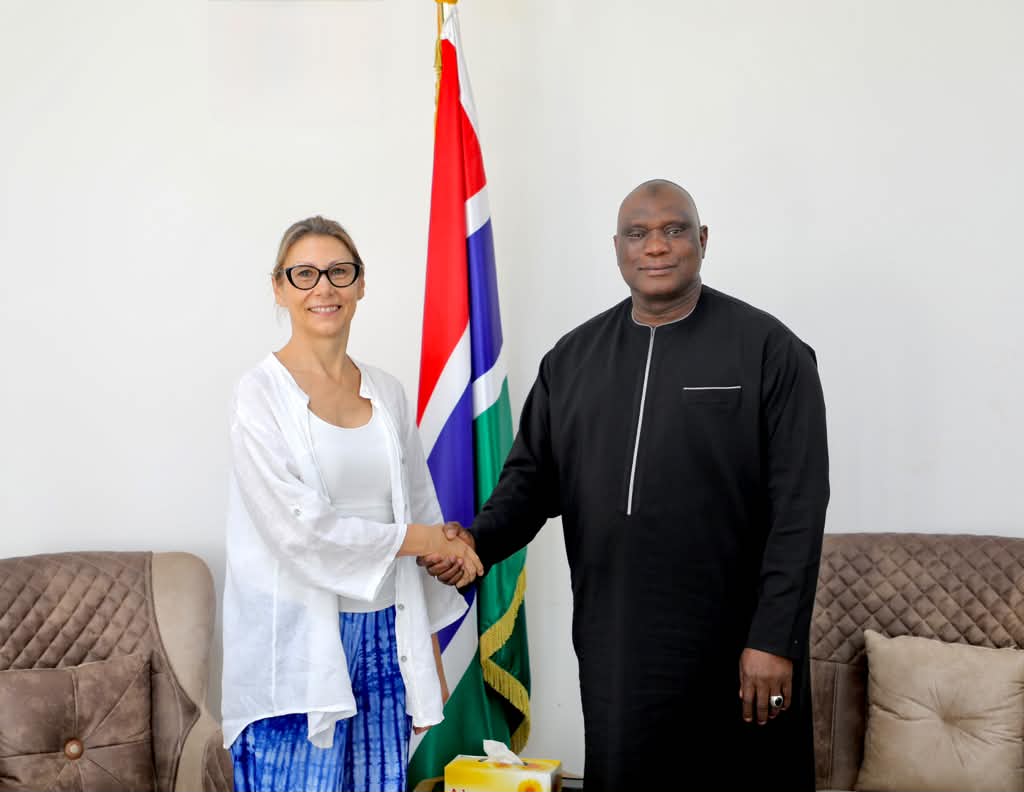
𝐁𝐀𝐍𝐉𝐔𝐋, 𝟐𝟎𝐭𝐡 𝐌𝐚𝐲 𝟐𝟎𝟐𝟔: On Tuesday, 19th May 2026, the Hon. Minister Sering Modou Njie held a series of bilateral engagements with diplomatic envoys, development partners, and private sector stakeholders aimed at strengthening cooperation and advancing The Gambia’s foreign policy and development priorities. 𝐏𝐎𝐋𝐀𝐍𝐃 The Minister first received Ms. Julita Baś, Chargée d’Affaires and Head of Mission of the Embassy of the Republic of Poland in Dakar, accompanied by Ms. Anna Rosenthal, Deputy Head of Mission at the Embassy of the Republic of Poland in Dakar, and Mr. Hussein Diab Ghanem, Honorary Consul of Poland to The Gambia. During the meeting, Hon. Minister Njie extended The Gambia Government’s appreciation to the Government of Poland for its continued support and cooperation. Discussions focused on strengthening bilateral relations between the two countries and exploring avenues to further enhance collaboration in areas including institutional support, capacity building and security sector reforms. The Minister also underscored the need for both countries to deepen cooperation in the education sector, particularly through scholarship opportunities and educational exchange initiatives, while commending the Polish Government for its support in these areas. 𝐋𝐈𝐁𝐘𝐀 The Minister later received H.E. Munsef M.H. Naseeb, Ambassador of Libya to The Gambia, who paid a farewell courtesy call on Hon. Minister Sering Modou Njie following the completion of his diplomatic tenure in The Gambia. During the meeting, Ambassador Naseeb expressed profound appreciation to Hon. Minister Njie, staff at the Ministry of Foreign Affairs, and the Government of The Gambia for the support, cooperation and cordial relations extended to him throughout his tenure in the country. He commended the longstanding brotherly relations between Libya and The Gambia and acknowledged the level of cooperation that continues to exist between the two nations in areas of mutual interest. Discussions also focused on bilateral cooperation and ways to further strengthen relations between The Gambia and Libya, particularly in areas relating to migration and other sectors of mutual concern. Hon. Minister Njie thanked Ambassador Naseeb for his service and valuable contribution towards strengthening the cordial relations between The Gambia and Libya during his tenure. The Minister wished him success in his future endeavours and reaffirmed The Gambia Government’s commitment to continued collaboration with Libya in order to further consolidate and enhance the longstanding bilateral ties between the two countries. 𝐆𝐄𝐑𝐌𝐀𝐍𝐘 Hon. Minister Sering Modou Njie also received H.E. Klaus Botzet, Ambassador of the Federal Republic of Germany to The Gambia, for discussions aimed at further strengthening the longstanding bilateral relations between The Gambia and Germany. The meeting provided an opportunity for both sides to discuss issues of mutual interest and ongoing cooperation between the two countries. 𝐔𝐍𝐈𝐓𝐄𝐃 𝐍𝐀𝐓𝐈𝐎𝐍𝐒 Hon. Minister Njie also held discussions with Mr. Karl Frederick Paul, Resident Coordinator of the United Nations in The Gambia. The meeting provided an opportunity for discussions on various areas of development cooperation and issues of mutual interest between the Government of The Gambia and the United Nations system. The series of engagements also included a meeting between the Minister and Mandisa Mashologu, Resident Representative of the United Nations Development Programme (UNDP). The meeting served as an opportunity for the UNDP Resident Representative to brief the Minister on the organisation’s activities and provide updates on project implementation and interventions undertaken during the second quarter of the year in support of The Gambia’s development priorities. 𝐏𝐑𝐈𝐕𝐀𝐓𝐄 𝐒𝐄𝐂𝐓𝐎𝐑 𝐄𝐍𝐆𝐀𝐆𝐄𝐌𝐄𝐍𝐓 Hon. Minister Njie also received Mr. Dennis Elverir, Turkish entrepreneur based in The Gambia. Discussions centred on investment opportunities especially on renewable and solar energy development and potential areas of economic cooperation aimed at supporting The Gambia’s development agenda and promoting private sector engagement.
𝐇𝐨𝐧. 𝐌𝐢𝐧𝐢𝐬𝐭𝐞𝐫 𝐒𝐞𝐫𝐢𝐧𝐠 𝐌𝐨𝐝𝐨𝐮 𝐍𝐣𝐢𝐞 𝐇𝐨𝐥𝐝𝐬 𝐒𝐞𝐫𝐢𝐞𝐬 𝐨𝐟 𝐁𝐢𝐥𝐚𝐭𝐞𝐫𝐚𝐥 𝐚𝐧𝐝 𝐃𝐞𝐯𝐞𝐥𝐨𝐩𝐦𝐞𝐧𝐭 𝐄𝐧𝐠𝐚𝐠𝐞𝐦𝐞𝐧𝐭𝐬 Read More »
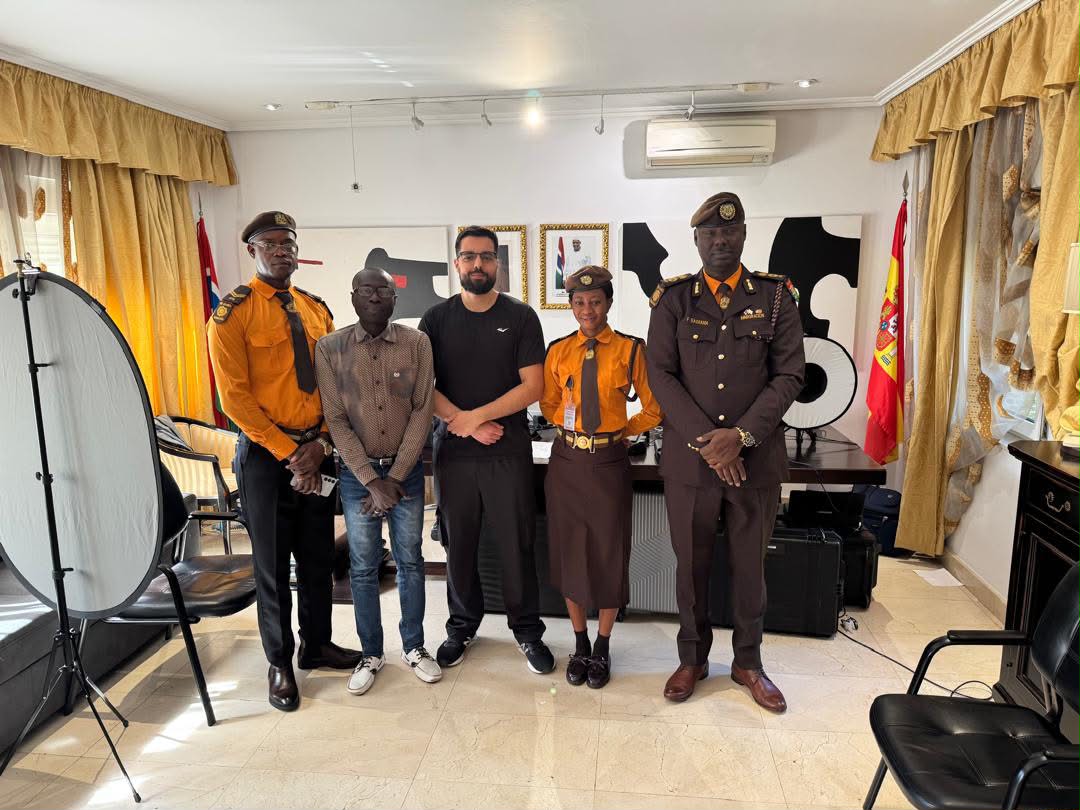
BANJUL, 19th May 2026: The Ministry of Foreign Affairs, International Cooperation and Gambians Abroad is pleased to announce the successful completion of the mobile biometric passport enrollment exercise conducted for Gambian nationals residing in Spain and Italy. The exercise, implemented in collaboration with the Gambia Immigration Department (GID) under the Ministry of Interior and facilitated through the Embassy of The Gambia in Spain, was conducted from 27th April to 13th May 2026, with an additional three-day extension from 14th to 16th May 2026, bringing the total duration of the exercise to twenty days. The initiative provided an important consular service to Gambians abroad and reflects the Government’s continued commitment to addressing the needs and welfare of Gambian migrants and diaspora communities. The exercise enabled Gambians across designated cities in Spain and Italy to access passport enrollment services without the need to travel to The Gambia, thereby enhancing access to essential documentation and strengthening engagement with citizens abroad. The Ministry is pleased to note that the exercise recorded significant success, with a cumulative total of 1,823 Gambian applicants enrolled during the mission. The additional three-day extension was facilitated to accommodate applicants, particularly in Madrid, who had already completed payment procedures but were unable to access the service during the initial phase of the exercise due to the high demand experienced. The Ministry notes with satisfaction the successful conclusion of the exercise and commends the dedication and professionalism demonstrated by the mobile biometric passport team throughout the mission. Despite challenges associated with the high volume of applicants in Madrid, the exercise was successfully completed through the collective efforts and collaboration of stakeholders involved. MoFA further acknowledges the valuable support rendered by the Embassy of The Gambia in Spain, honorary consuls, Gambian associations, and community members whose contributions played an important role in facilitating the successful implementation of the exercise. This initiative forms part of the Government’s broader efforts to strengthen diaspora engagement, improve consular service delivery, and ensure that Gambians abroad continue to receive timely and accessible public services. The Ministry of Foreign Affairs, International Cooperation and Gambians Abroad expresses appreciation to the Ministry of Interior, the Gambia Immigration Department (GID), diplomatic missions, and all stakeholders whose collective efforts contributed to the successful implementation of the exercise. The Ministry reaffirms its commitment to advancing the interests and welfare of Gambians abroad and to strengthening service delivery through continued collaboration with national institutions and international partners.
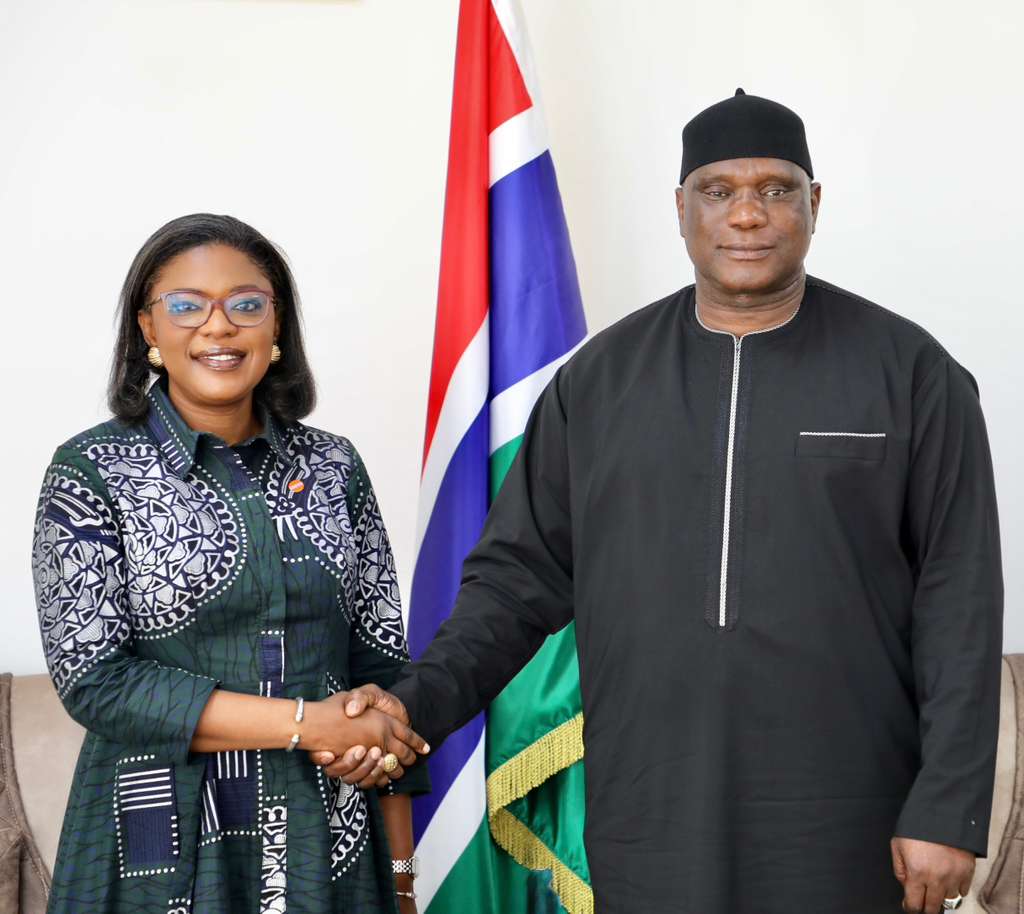
𝐁𝐚𝐧𝐣𝐮𝐥, 𝟏𝟐𝐭𝐡 𝐌𝐚𝐲 𝟐𝟎𝟐𝟔: The Honourable Minister of Foreign Affairs, International Cooperation and Gambians Abroad H.E. Sering Modou Njie on Monday, 11th May 2026 received the outgoing United Nations Population Fund (UNFPA) Country Representative to The Gambia, H.E. Ndeye Rose Sarr, at his office in Banjul on the occasion of the completion of her diplomatic assignment in the country. During the meeting, H.E. Sering Modou Njie commended H.E. Sarr for her exemplary service and the significant support she rendered to The Gambia during her tenure. He praised her dedication, able leadership, and valuable contributions to the country’s development efforts through UNFPA-supported programmes and initiatives. Minister Njie acknowledged the important role played by H.E. Sarr in strengthening cooperation between UNFPA and the Government of The Gambia, particularly in the areas of population and development, gender equality, reproductive health, and youth empowerment. He expressed gratitude for her unwavering commitment and wished her continued success in her future endeavours. For her part, H.E. Ndeye Rose Sarr expressed sincere appreciation to Foreign Minister Njie for his leadership and for the support extended to UNFPA, which facilitated the effective implementation of its programmes in The Gambia.
𝐅𝐨𝐫𝐞𝐢𝐠𝐧 𝐌𝐢𝐧𝐢𝐬𝐭𝐞𝐫 𝐍𝐣𝐢𝐞 𝐁𝐢𝐝𝐬 𝐅𝐚𝐫𝐞𝐰𝐞𝐥𝐥 𝐭𝐨 𝐎𝐮𝐭𝐠𝐨𝐢𝐧𝐠 𝐔𝐍𝐅𝐏𝐀 𝐂𝐨𝐮𝐧𝐭𝐫𝐲 𝐑𝐞𝐩𝐫𝐞𝐬𝐞𝐧𝐭𝐚𝐭𝐢𝐯𝐞 Read More »
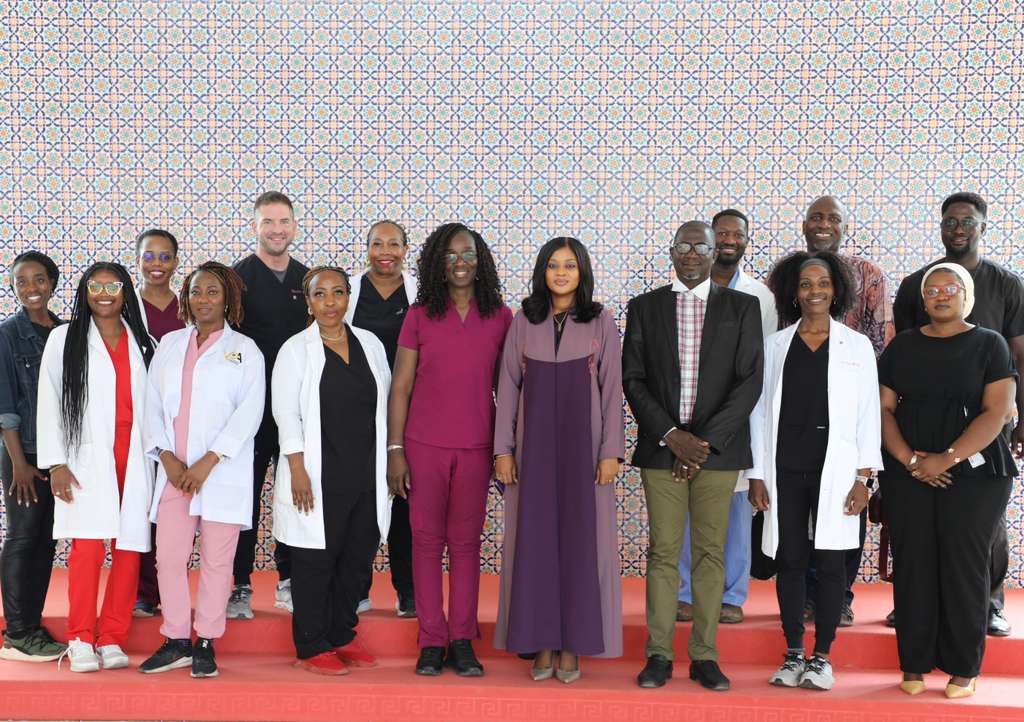
𝐁𝐀𝐍𝐉𝐔𝐋, 𝟗𝐭𝐡 𝐌𝐚𝐲 𝟐𝟎𝟐𝟔: The Permanent Secretary II at the Ministry of Foreign Affairs, International Cooperation and Gambians Abroad, Ms. Fatou Kinneh Jobe, on Wednesday, 6th May 2026, received members of the Sunu Reewu Medical Mission during a courtesy call at the Ministry in Banjul. The delegation briefed the Permanent Secretary on the activities and achievements of the Sunu Reewu Medical Mission, a non-profit initiative founded in 2021 by Gambian national Victoria Lissong Richards-Ohwotu to help bridge healthcare gaps in The Gambia. During the meeting, discussions focused on the Mission’s continued support to the country’s healthcare sector through medical outreach, training, educational exchange programmes, and donations of medical supplies and equipment to the Edward Francis Small Teaching Hospital (EFSTH). The delegation highlighted the progress of the Medical Mission over the years, including the deployment of volunteer physicians and healthcare professionals from the United States and Canada who continue to work closely with Gambian medical personnel in providing critical surgeries, treatment, and specialized training. In welcoming the delegation on behalf of the Minister of Foreign Affairs of The Gambia, Hon. Sering Modou Njie, Permanent Secretary Jobe commended the initiative for its valuable contribution to strengthening healthcare delivery and capacity building in The Gambia. She noted that health remains one of the Government’s key priority areas, emphasizing the importance of investing in the wellbeing of citizens. “Health is wealth, and no meaningful national development can take place without a healthy population,” Permanent Secretary Jobe stated. “The Government of The Gambia highly values partnerships and initiatives that contribute to improving healthcare services and enhancing the capacity of our medical institutions and professionals.” She further reaffirmed the Ministry’s support for initiatives that promote humanitarian assistance, medical collaboration, and skills transfer for national development. The delegation also expressed appreciation to the Embassy of The Gambia in Washington, D.C. for its continuous support and cooperation in facilitating the Mission’s activities. The team further briefed the Permanent Secretary on ongoing activities during the current mission, including health fairs, specialized autism education workshops, surgical procedures, and medical training sessions involving local and international healthcare professionals. The meeting further underscored the importance of collaboration between the Gambian diaspora, international partners, and national institutions in improving healthcare services and supporting community wellbeing across the country.
𝐇𝐞𝐚𝐥𝐭𝐡 𝐈𝐬 𝐖𝐞𝐚𝐥𝐭𝐡 — 𝐒𝐮𝐧𝐮 𝐑𝐞𝐞𝐰𝐮 𝐌𝐞𝐝𝐢𝐜𝐚𝐥 𝐌𝐢𝐬𝐬𝐢𝐨𝐧 𝐂𝐨𝐦𝐦𝐞𝐧𝐝𝐞𝐝 𝐟𝐨𝐫 𝐒𝐭𝐫𝐞𝐧𝐠𝐭𝐡𝐞𝐧𝐢𝐧𝐠 𝐇𝐞𝐚𝐥𝐭𝐡𝐜𝐚𝐫𝐞 Read More »
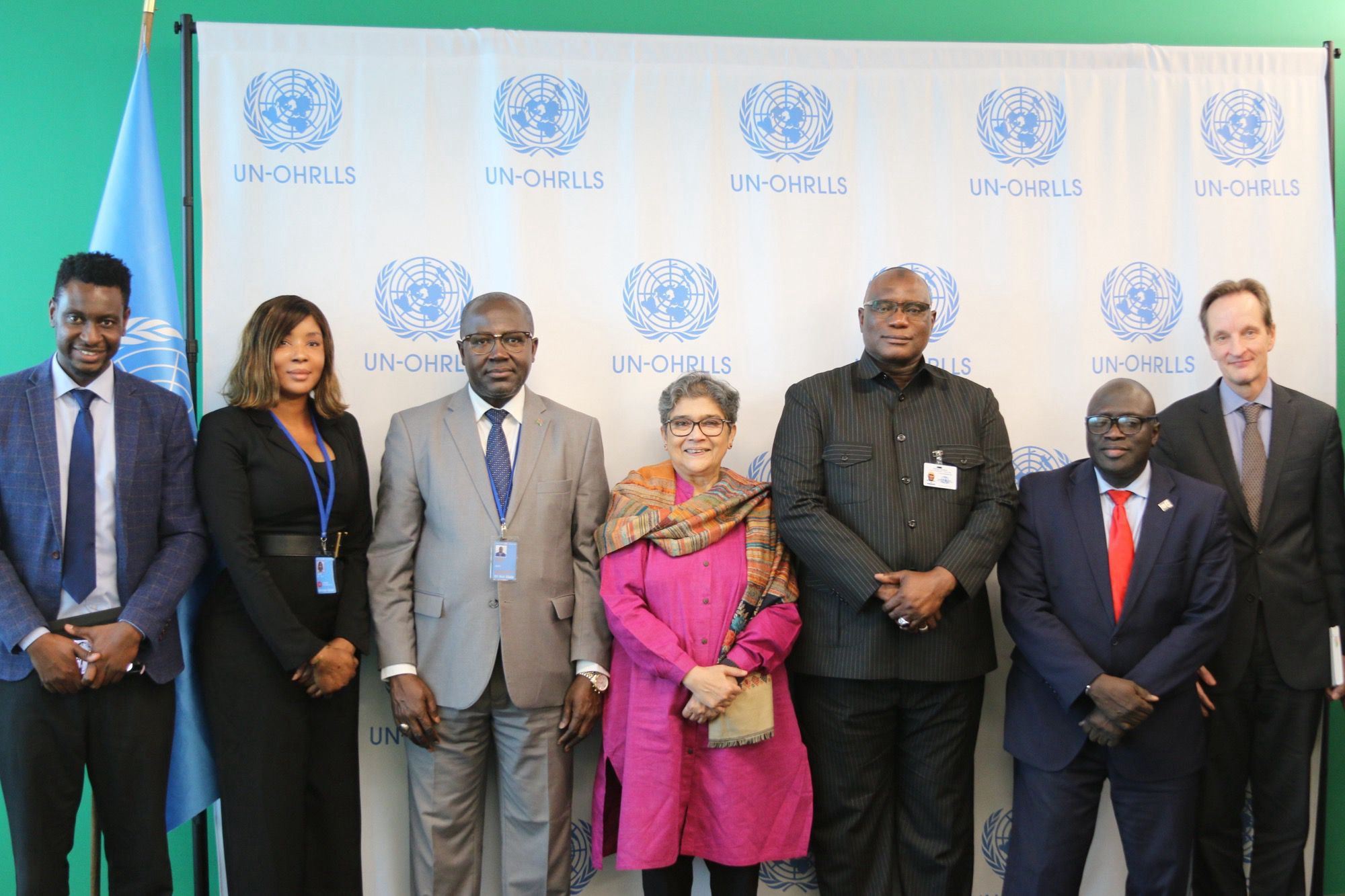
On the margins of the 2026 International Migration Review Forum (IMRF) in New York, the Hon. Minister of Foreign Affairs of The Gambia H.E Sering Modou Njie on Wednesday 6th May 2026 held a bilateral meeting with the United Nations Under Secretary-General and High Representative for the Least Developed Countries (LDCs), Landlocked Developing Countries and Small Island Developing States Ambassador Fatima Rabab. The meeting discussed issues of importance to both sides including the Mid-Term Review of the Doha Programme of Action for LDC’s slated for March 2027 in Qatar, the African Regional Review of the Doha Programme of Action scheduled to be held in Addis in June 2026, the Gambia’s proposed Chairmanship of the LDC Group, the coming LDC Future Forum slated to take place in Helsinki and the proposal for the holding of the 2027 LDC Future Forum in Africa. The two sides also discussed matters relating to international and development cooperation, graduation readiness for LDC member states, building an online university, resilience building for LDCs, food stockholding mechanism to address food security and the UN @80 Reforms. Hon. Minister Njie conveys the Gambia’s appreciation and readiness to continue working closely with the Office of the UN High Representative on matters affecting LDCs. Under Secretary-General and High Representative Ambassador Rabab also extended appreciation to The Gambia for its leadership on LDC issues and partnership with her Office over the years. H.E Sering Modou Njie was accompanied by Permanent Secretary, Ministry of Foreign Affairs, Ambassador Lang Yabou, Permanent Representative and Ambassador of The Gambia to the UN H.E Lamin B. Dibba and Ms. Binta Jeng, Counsellor at the Permanent Mission of The Gambia to the United Nations, New York.
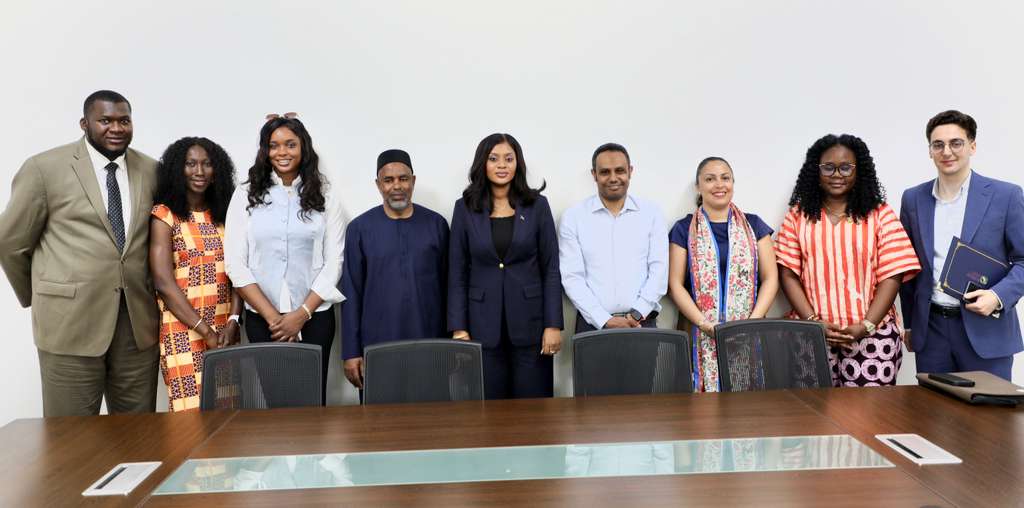
𝐁𝐀𝐍𝐉𝐔𝐋 𝟕𝐭𝐡 𝐌𝐚𝐲 𝟐𝟎𝟐𝟔: The Permanent Secretary II at the Ministry of Foreign Affairs, International Cooperation and Gambians Abroad, Ms. Fatou Kinneh Jobe, on Tuesday, 5th May 2026 warmly received a delegation from the African Union Commission Post-Conflict Reconstruction and Development (PCRD) Directorate during a courtesy call at the Ministry in Banjul. The delegation is currently in The Gambia from 4th to 7th May 2026 as part of a stakeholder engagement mission aimed at supporting quick impact projects within the framework of the PCRD initiative. The mission focuses on key areas including transitional justice, disarmament, demobilisation and reintegration /security sector reform (DDR/SSR), health, education, humanitarian assistance, and human rights. During the meeting, Permanent Secretary Jobe warmly welcomed the delegation and assured them of the Ministry’s fullest support and cooperation throughout their mission in The Gambia. PS Jobe highlighted that the visit is a clear demonstration of the African Union’s steadfast commitment to supporting its Member States in advancing peacebuilding, recovery, and sustainable development. She noted that The Gambia is particularly honoured to be among the priority countries selected for Post-Conflict Reconstruction and Development (PCRD) interventions, adding that the recognition reflects both the progress the country has made and the important work that still lies ahead as it continues on its path of national transformation. Discussions centered on The Gambia’s transitional justice process and the country’s continued efforts to promote reconciliation, accountability, and respect for human rights following the democratic transition. Permanent Secretary Jobe provided insights into the progress made by The Gambia in strengthening democratic institutions and promoting accountability and good governance. The meeting also provided an opportunity for both sides to exchange views on areas of collaboration and support under the PCRD framework, particularly in initiatives aimed at sustaining peace, empowering communities, and enhancing institutional capacity. The African Union delegation commended The Gambia’s commitment to peacebuilding and transitional justice, reaffirming the Commission’s readiness to continue engaging with national stakeholders in support of the country’s development and stability efforts.
𝐅𝐨𝐫𝐞𝐢𝐠𝐧 𝐀𝐟𝐟𝐚𝐢𝐫𝐬 𝐌𝐢𝐧𝐢𝐬𝐭𝐫𝐲 𝐄𝐧𝐠𝐚𝐠𝐞𝐬 𝐀𝐔 𝐃𝐞𝐥𝐞𝐠𝐚𝐭𝐢𝐨𝐧 𝐨𝐧 𝐏𝐞𝐚𝐜𝐞𝐛𝐮𝐢𝐥𝐝𝐢𝐧𝐠 𝐚𝐧𝐝 𝐇𝐮𝐦𝐚𝐧 𝐑𝐢𝐠𝐡𝐭𝐬 Read More »
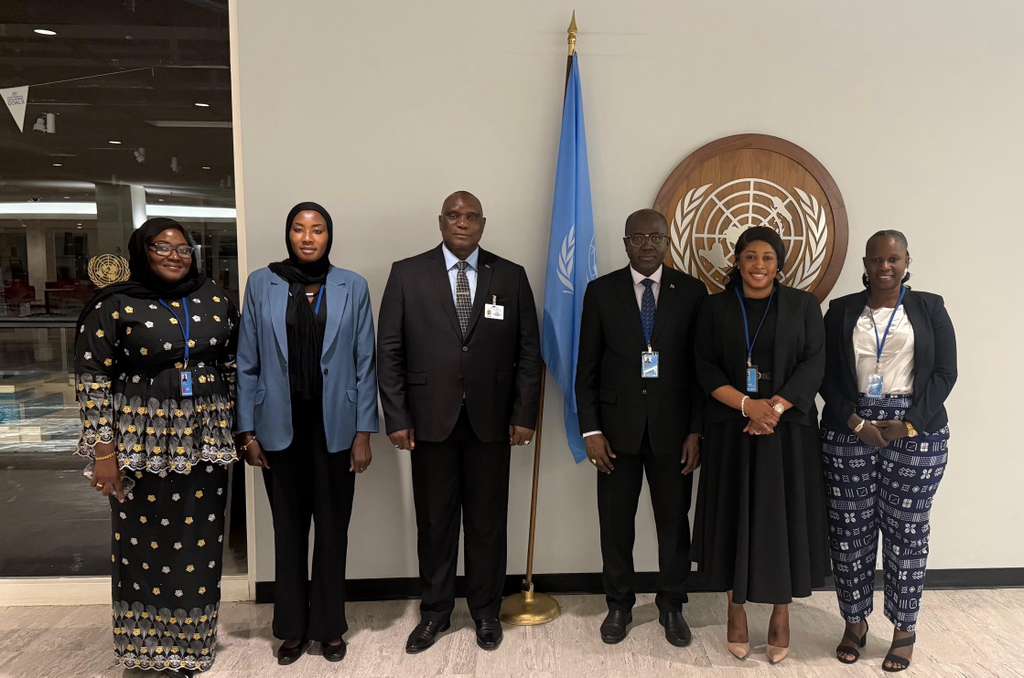
𝐁𝐀𝐍𝐉𝐔𝐋, 𝟔𝐭𝐡 𝐌𝐚𝐲 𝟐𝟎𝟐𝟔: A high-level delegation led by the Honourable Minister of Foreign Affairs, International Cooperation and Gambians Abroad, Hon. Sering Modou Njie, presented The Gambia’s Voluntary Review Report on the implementation of the Global Compact for Safe, Orderly and Regular Migration (GCM) at the International Migration Review Forum (IMRF) in New York. The submission reaffirms the Government’s sustained commitment to advancing safe, orderly and regular migration, while addressing emerging challenges through inclusive and evidence-based policy approaches. Recognised as a GCM Champion Country, The Gambia was among the 164 United Nations Member States that adopted the Global Compact for Migration on 19 December 2018. This milestone reaffirmed the country’s commitment to multilateral cooperation, the protection of human rights, and strengthened migration governance, while underscoring migration as a shared global responsibility and a key driver of sustainable development. Since the adoption of the Compact, The Gambia has recorded notable progress across key priority areas. Significant achievements have been made in remittances, diaspora engagement, public awareness, border management, migrant protection, and return and reintegration. Improvements in remittance systems, supported by financial innovation, digital solutions, and strengthened reporting mechanisms, have enhanced the developmental impact of migration on households and the broader economy. Reintegration programmes continue to support returnees through livelihood assistance, skills development, and psychosocial services, contributing to sustainable reintegration at the community level. Public awareness initiatives, led by government institutions and partners, have strengthened understanding of migration risks and opportunities, particularly among youth and high-migration communities. The Gambia has further demonstrated leadership by mainstreaming migration into the Recovery-Focused National Development Plan (2023–2027) and advancing the development of a National Migration Strategy, ensuring stronger alignment between migration governance and broader socio-economic priorities. The active engagement of civil society, the private sector, the media, and diaspora actors has contributed to a more inclusive and participatory migration governance framework, enhancing outreach, service delivery, and innovation. Lessons learned from implementation continue to inform ongoing efforts, with emphasis on strengthening data systems, enhancing institutional coordination, expanding regular migration pathways, and building national capacities. Additional progress has been made in addressing trafficking in persons and the smuggling of migrants through improved border coordination, victim protection systems, institutional capacity-building, and ongoing legal reforms supported by national authorities and partners. The preparation of the report followed a structured, consultative, and evidence-based process, grounded in a whole-of-government and whole-of-society approach. The process was coordinated through the National Coordination Mechanism (NCM) on Migration, with technical support from the International Organization for Migration (IOM) and the United Nations Network on Migration in The Gambia. To ensure inclusivity and broad national ownership, multi-stakeholder consultations were convened in March-April 2026. These consultations brought together representatives from government ministries, departments and agencies, United Nations entities, civil society organisations through TANGO, the media, academia, the private sector, trade unions, national human rights institutions, and organisations representing persons with disabilities, including the Gambia Federation of the Disabled (GFD). Regional consultations were also conducted across selected local government areas to capture sub-national perspectives, particularly on internal migration dynamics and community-level drivers. On the margins of IMRF 2026, The Gambia co-chaired a high-level side event titled “Saving Lives and Missing Migrants: From Recommendations to Results,” held on Tuesday, 5 May. The event was co-organised with the Republic of Ecuador and the United Nations Network on Migration, in collaboration with key partners, including the International Committee of the Red Cross (ICRC) and the International Federation of Red Cross and Red Crescent Societies (IFRC). In his intervention, the Honourable Minister emphasized that behind each statistic lies a human story, a life cut short and families left in uncertainty and grief. These tragedies, he stressed, are preventable and require urgent, collective action. The Government of The Gambia reiterates its strong commitment to strengthening partnerships at national, regional, and global levels to ensure that migration remains safe, orderly, and beneficial for all. It will continue to work closely with all stakeholders to advance the objectives of the Global Compact for Migration and to harness the positive contributions of migration for national development.
𝐓𝐡𝐞 𝐆𝐚𝐦𝐛𝐢𝐚 𝐑𝐞𝐚𝐟𝐟𝐢𝐫𝐦𝐬 𝐆𝐥𝐨𝐛𝐚𝐥 𝐋𝐞𝐚𝐝𝐞𝐫𝐬𝐡𝐢𝐩 𝐨𝐧 𝐒𝐚𝐟𝐞 𝐌𝐢𝐠𝐫𝐚𝐭𝐢𝐨𝐧 𝐚𝐭 𝐈𝐌𝐑𝐅 𝟐𝟎𝟐𝟔 Read More »
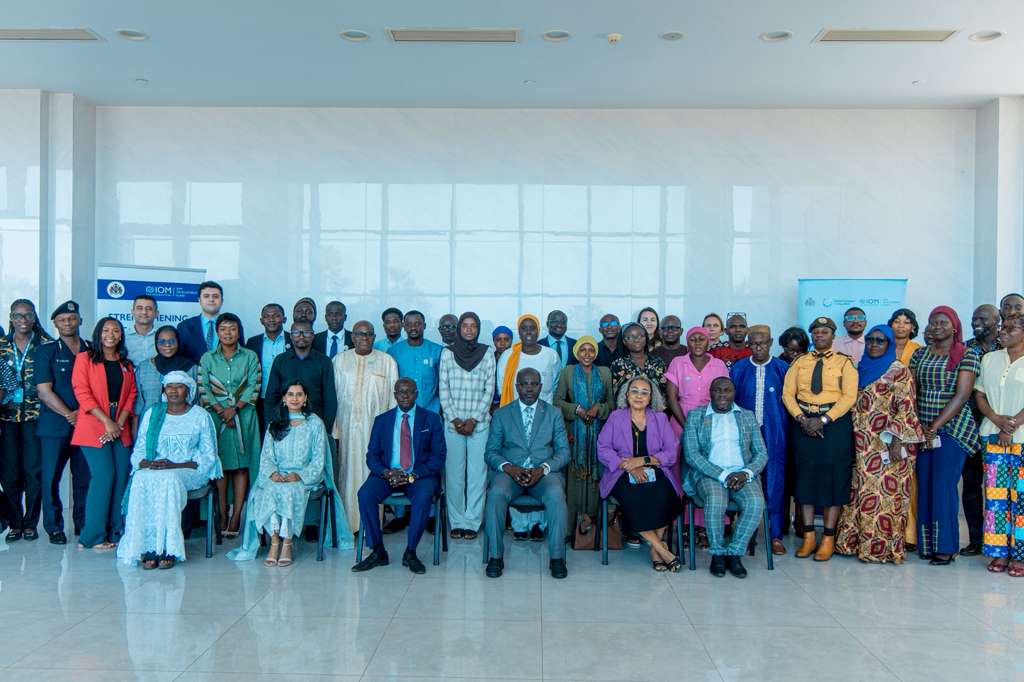
BANJUL, 3rd May 2026: The Government of the Republic of The Gambia, on Wednesday, 29th April 2026, successfully validated and launched its Second National Progress Report on the implementation of the Global Compact for Safe, Orderly and Regular Migration (GCM), marking a significant milestone in the country’s migration governance journey ahead of the International Migration Review Forum (IMRF) 2026 in New York. Convened by the Ministry of Foreign Affairs, International Cooperation and Gambians Abroad (MoFA), the validation exercise brought together a diverse group of national stakeholders and partners. Participants included government institutions, members of the National Coordination Mechanism on Migration (NCM), representatives of the United Nations system, development partners, civil society organizations, academia, the private sector, migrant and diaspora groups, youth representatives, and the media. The engagement served as a platform to review national progress, assess implementation efforts, and collectively refine the country’s reporting on migration governance. It also provided an opportunity to align perspectives on priority actions and strengthen coordination as The Gambia prepares to contribute to global discussions at IMRF 2026. In his opening remarks, the Permanent Secretary and Head of the Diplomatic Service at the Ministry of Foreign Affairs, Ambassador Lang Yabou, described the exercise as both reflective and forward-looking. “The validation and launch of The Gambia’s Second National GCM Progress Report reflects a strong whole-of-government and whole-of-society commitment to managing migration in a safe, orderly and dignified manner,” he stated. “As a GCM Champion Country, The Gambia is using this report as a foundation to engage credibly and constructively at the International Migration Review Forum 2026, demonstrating that well-governed migration is a powerful driver of sustainable development.” Ambassador Yabou further highlighted that the report is the outcome of extensive national consultations coordinated through the NCM, ensuring contributions from a wide range of sectors and actors. He noted that beyond documenting achievements, the report captures ongoing challenges and identifies areas requiring sustained attention, including the need for stronger international collaboration. Also addressing participants, Ms. Ndumbeh Saho, Director of Diaspora and Migration at the Ministry of Foreign Affairs, underscored the importance of inclusivity in shaping migration policy and practice. “This occasion is not a mere procedural formality. It is an act of accountability and a celebration of a journey we have walked together,” she stated. “This report stands as testimony to our collective dedication and our willingness to learn and improve, while ensuring that migration governance remains humane, rights-based and development-oriented.” Speaking on behalf of civil society, Ms. Yadicon Njie Eribo, Chairperson of The Gambia Association of Non-Governmental Organizations (TANGO), emphasized the importance of broad stakeholder participation in shaping migration policy. “The validation of the Second National GCM Progress Report reflects the country’s sustained commitment to a humane, rights-based, and development-oriented approach to migration governance,” she said. “From a civil society perspective, the inclusive and consultative process underpinning this report demonstrates the value of whole-of-society engagement in ensuring that migration policies respond to real community and migrant experiences.” The validated report reflects The Gambia’s evolving migration landscape and outlines progress made in key areas such as policy coordination, institutional strengthening, and support systems for migrants. It also illustrates how migration considerations are being integrated into broader national development efforts, reinforcing the link between mobility and sustainable growth. Since aligning with the GCM framework, The Gambia has continued to advance a coordinated national approach to migration management. Through mechanisms such as the NCM, the Government has enhanced inter-agency collaboration and strengthened engagement with non-state actors, contributing to more coherent and responsive policy implementation. Also reaffirming continued international support, Ms. Sibgha Ajaz, Officer-in-Charge of International Organization for Migration The Gambia, commended the country’s leadership in migration governance. “The Gambia continues to demonstrate that principled leadership and inclusive governance can turn global commitments into real progress,” she stated. “As a Global Compact for Migration Champion Country, The Gambia’s whole-of-government and whole-of-society approach sets an important example of how migration can be governed in a way that is humane, evidence-based and firmly anchored in national development priorities.” The report will serve as an important reference document for The Gambia’s participation in the IMRF 2026, where countries will assess global progress on the GCM and share experiences, lessons learned, and best practices. The validation exercise was supported by the International Organization for Migration, as part of its ongoing partnership with the Government of The Gambia to promote safe, orderly and regular migration. This support includes strengthening national coordination structures, improving data and evidence systems, and fostering inclusive participation in migration governance processes.