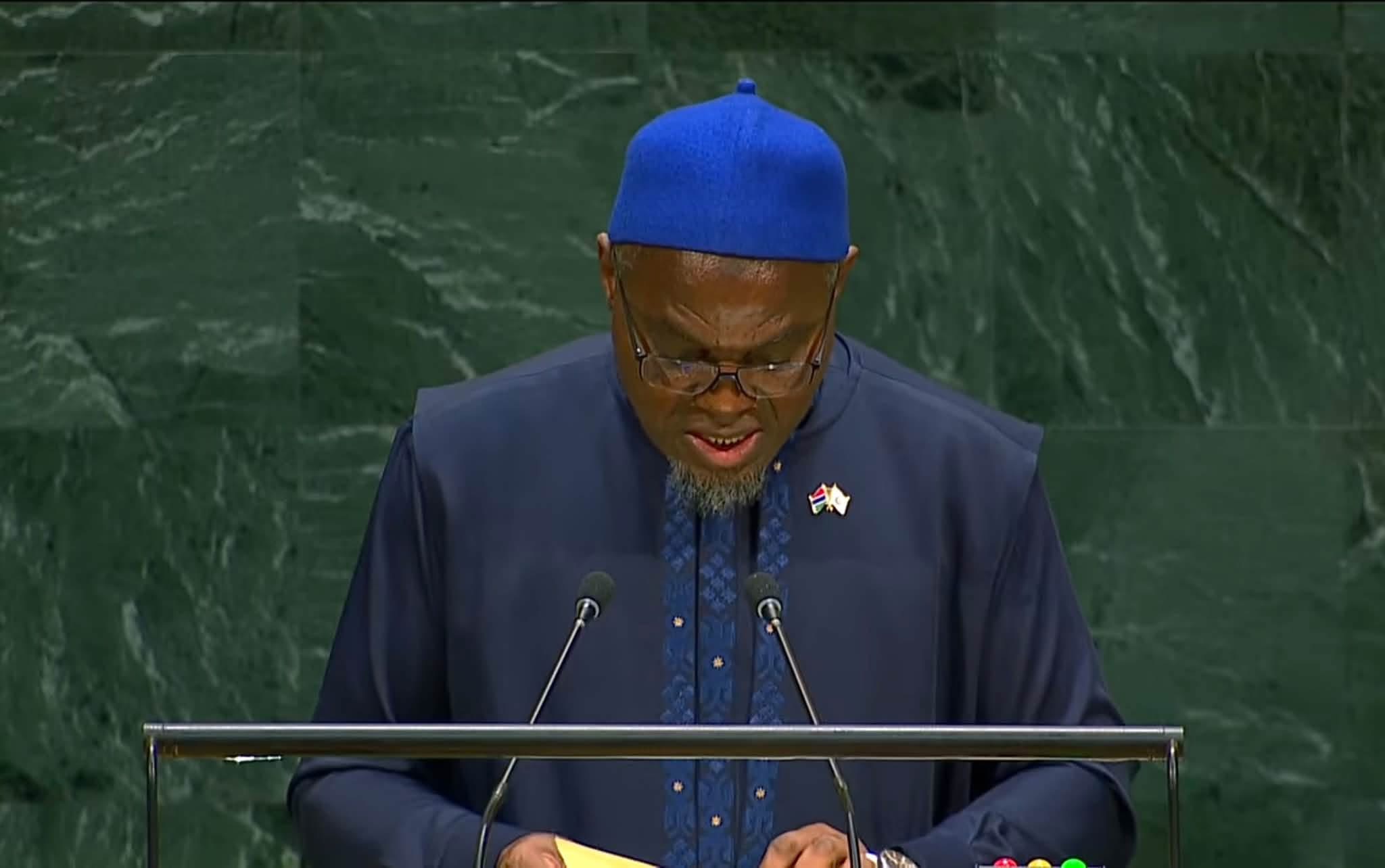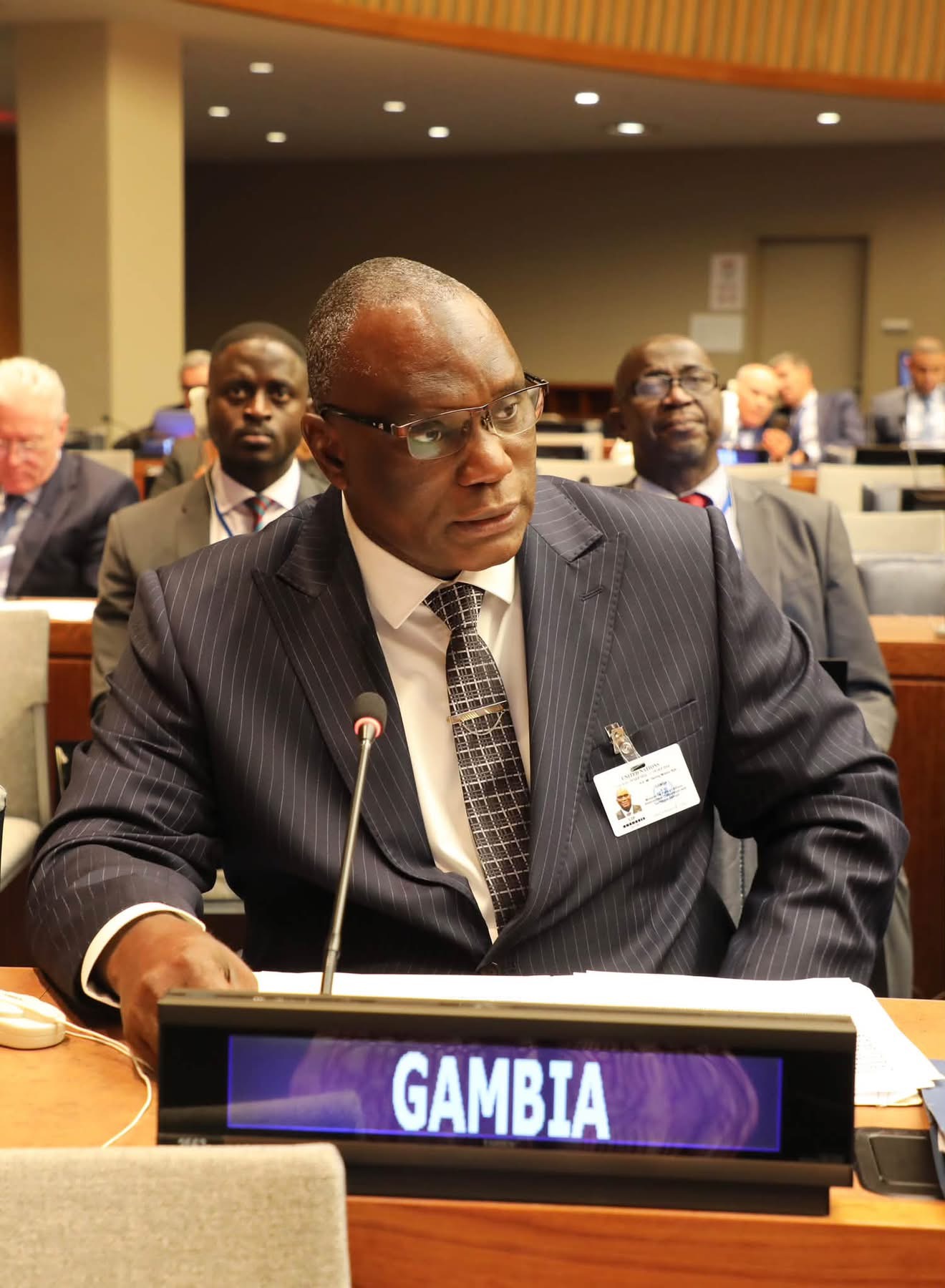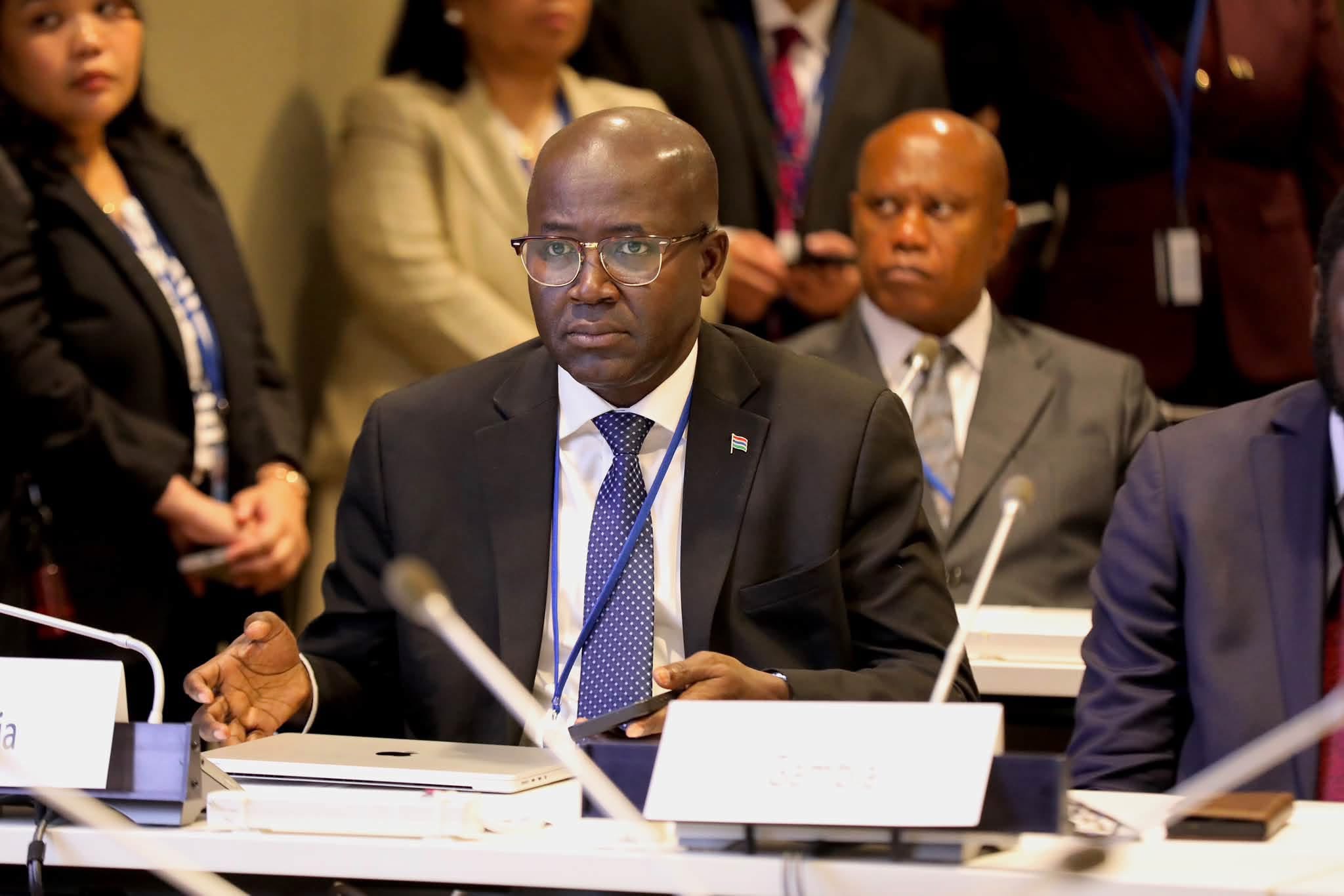
𝑩𝑨𝑵𝑱𝑼𝑳, 9𝒕𝒉 𝑶𝒄𝒕𝒐𝒃𝒆𝒓 2026: The Government of The Gambia, led by Vice President H.E. Mohammed B.S. Jallow and the Minister of Foreign Affairs, International Cooperation and Gambians Abroad, H.E. Sering Modou Njie, concluded a productive week of engagements on the margins of the 81st Session of the United Nations General Assembly (UNGA81) in New York. Throughout the High-Level Week, The Gambia demonstrated its commitment to multilateral cooperation, justice, accountability, and strengthened international partnerships, and advancing national priorities in peace, security, development, and global governance.
MULTILATERAL ENGAGEMENTS
On matters of multilateral cooperation, The Gambia joined the global Initiative to Restrain the Use of Veto in Cases of Mass Atrocities, commending France and Mexico for their leadership and confirming its voluntary political commitment to the Declaration. Minister Njie noted that The Gambia’s position is grounded in its national values of justice, accountability, human dignity, and the prevention of atrocity crimes, shaped by the country’s own transition from repression to accountability.
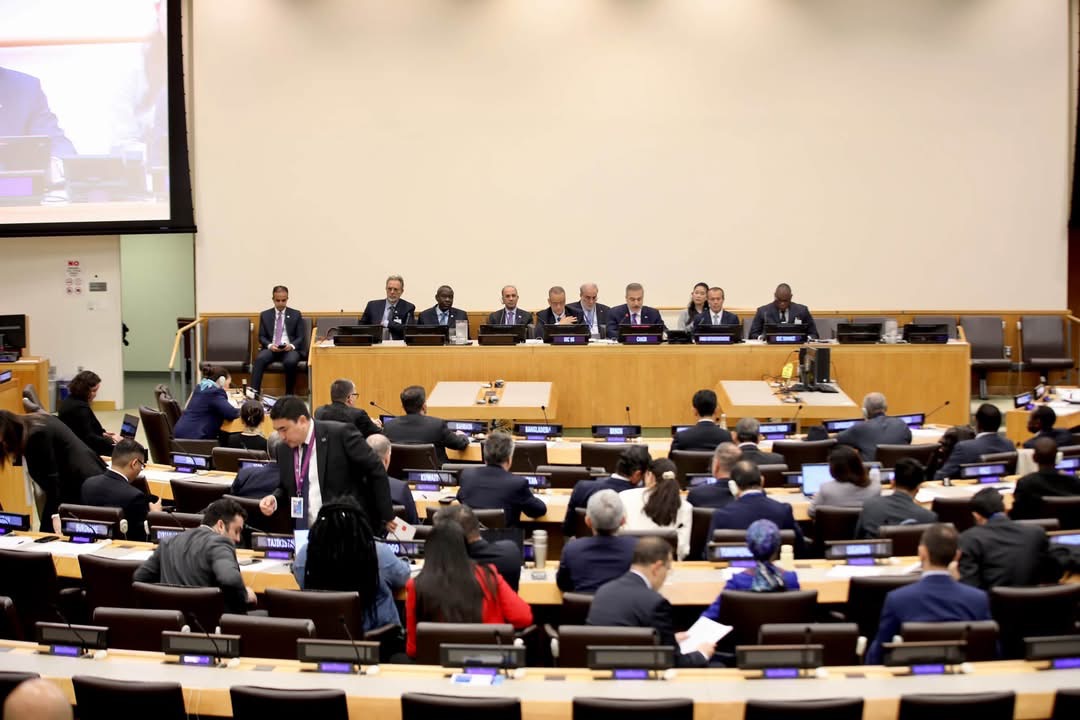
His Excellency Vice President Jallow co-chaired a High-Level Side Event on the Rohingya crisis alongside the Prime Minister of Bangladesh, renewing calls for justice, accountability, and long-term solutions for the Rohingya people. The Gambia highlighted its ongoing case before the International Court of Justice and encouraged Member States to support the implementation of the Court’s forthcoming judgment.
The Gambia also took part in several key multilateral platforms, including the “Financing the Future” event co-convened by Morocco and UNDP, where it expressed its commitment to homegrown reforms and stronger public-private partnerships. At the OIC Annual Coordination Meeting, Hon. Minister Njie reflected on The Gambia’s tenure as OIC Chair, highlighting efforts on Middle East de-escalation, tolerance, multilateral diplomacy, and the Rohingya accountability case. He also addressed the 8th Ministerial Meeting of the African Atlantic States Process, stressing the Atlantic’s importance to The Gambia’s economic future and outlining priorities such as maritime security, intelligence sharing, and green logistics corridors. The Gambia further participated in the Joint Arab-Islamic Ministerial Meeting on Jerusalem, expressing concern over actions affecting the city’s demographic and historical character and calling for stronger international efforts to protect its legal status.
BILATERAL ENGAGEMENTS
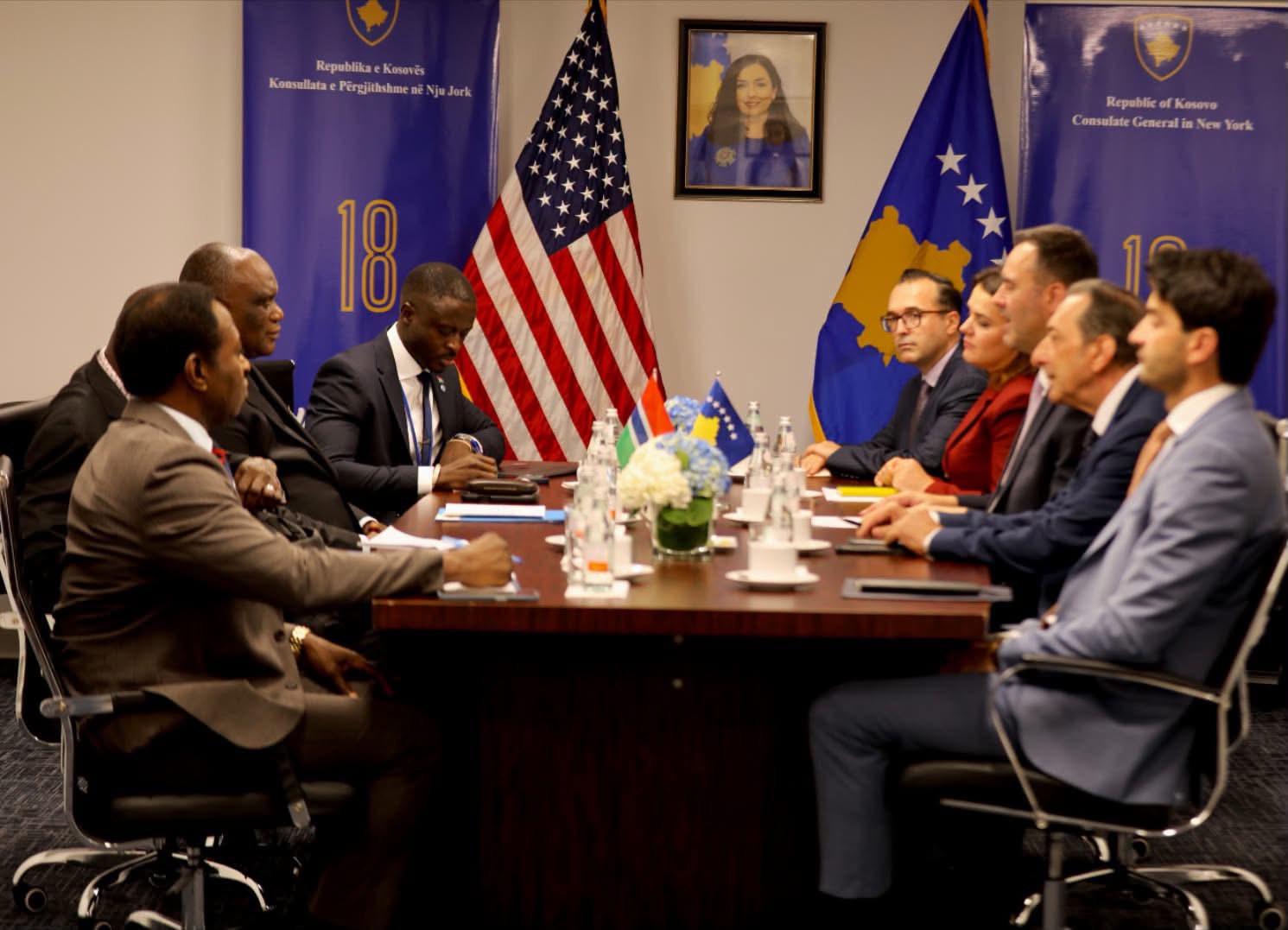
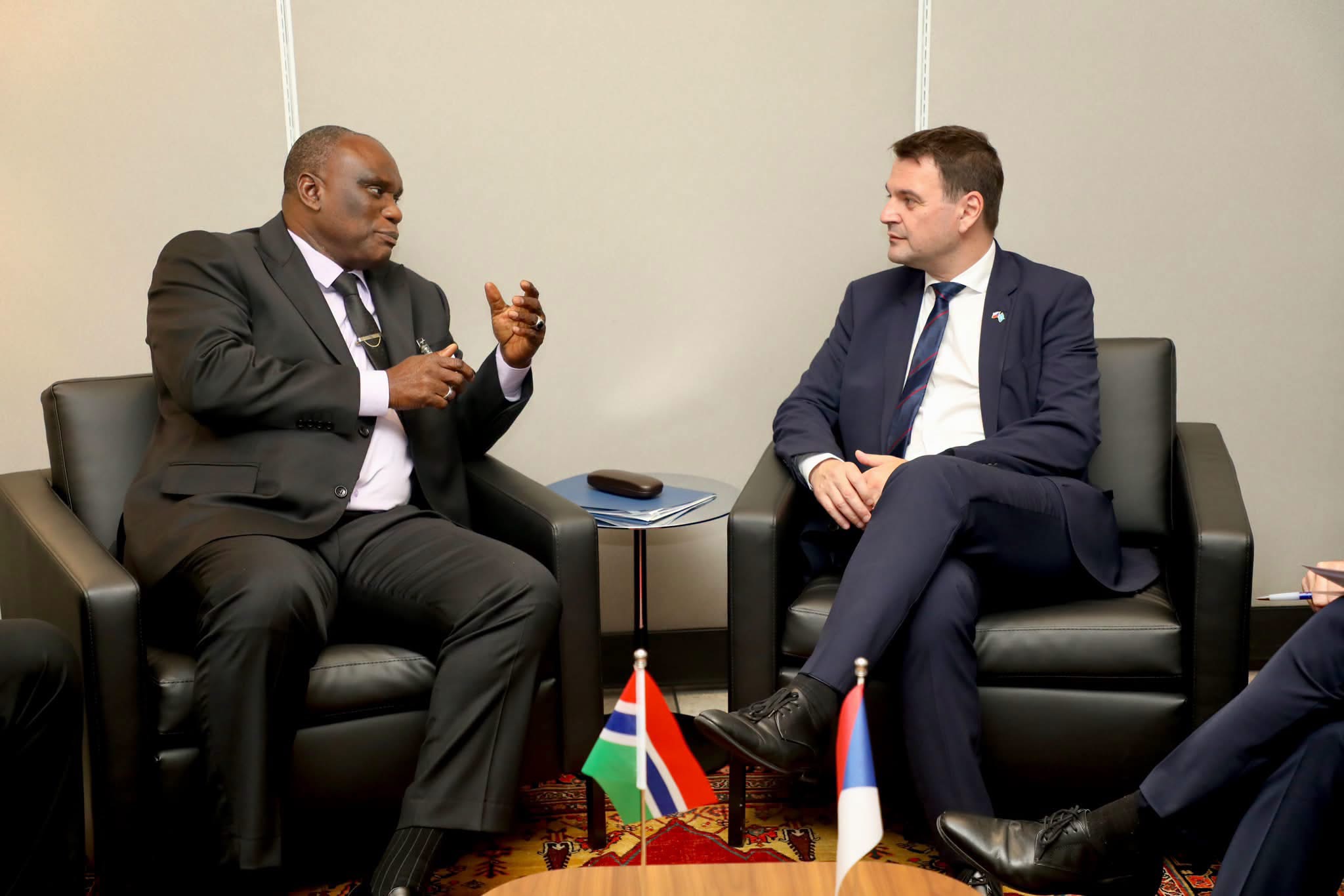
On the margins of UNGA81, The Gambia held several bilateral meetings aimed at expanding cooperation across key sectors. Hon. Minister Njie met with his Ukrainian counterpart to explore collaboration in education, science and technology, agriculture, and capacity building. Discussions with the Deputy Prime Minister and Foreign Minister of Kosovo focused on defence and security, UN peacekeeping, search and rescue, diplomatic training, agriculture, and education.
Additional bilateral engagements were held with the Czech Republic, Liechtenstein, and South Africa, with each meeting expressing shared interest in strengthening cooperation and building on existing ties.
HIGH-LEVEL CONCLUSION
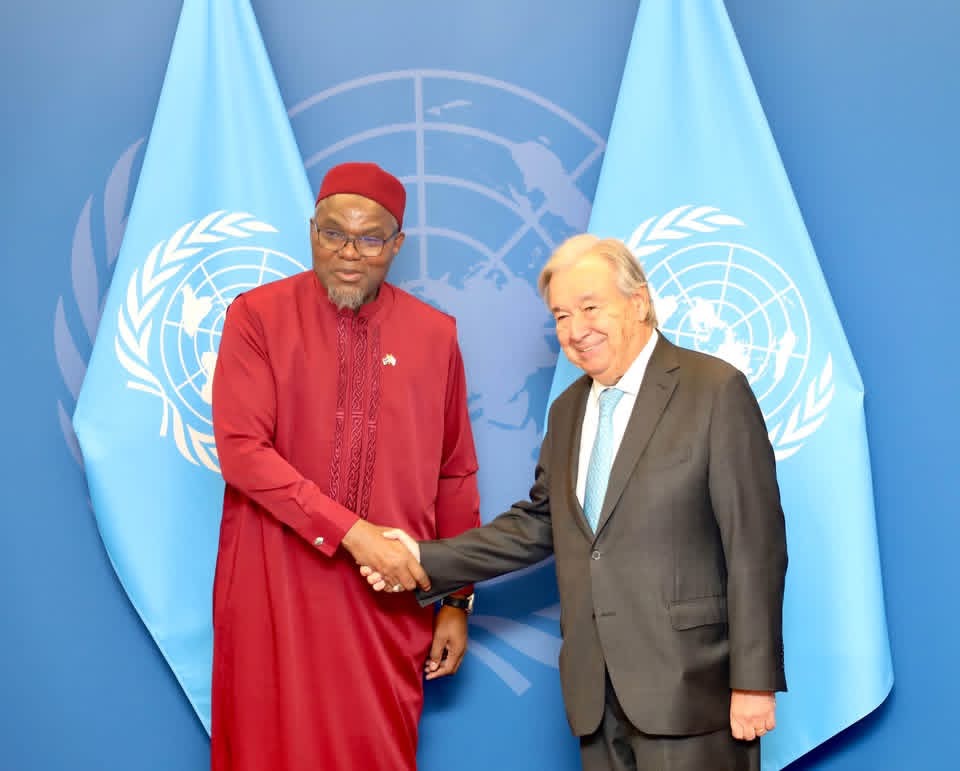
The High-Level Week concluded with a meeting between Vice President Jallow and UN Secretary-General António Guterres, joined by senior Gambian officials. The discussion highlighted The Gambia’s continued commitment to multilateralism, international cooperation, and support for the work of the United Nations.
UNGA81 highlighted The Gambia’s active diplomatic role and its principled approach to justice, accountability, peace, and sustainable development. Through strong multilateral participation, focused bilateral engagements, and high-level consultations, The Gambia advanced its national interests while contributing meaningfully to global efforts. The delegation’s work reflects the country’s dedication to building partnerships, promoting human dignity, and upholding the values of the United Nations.